
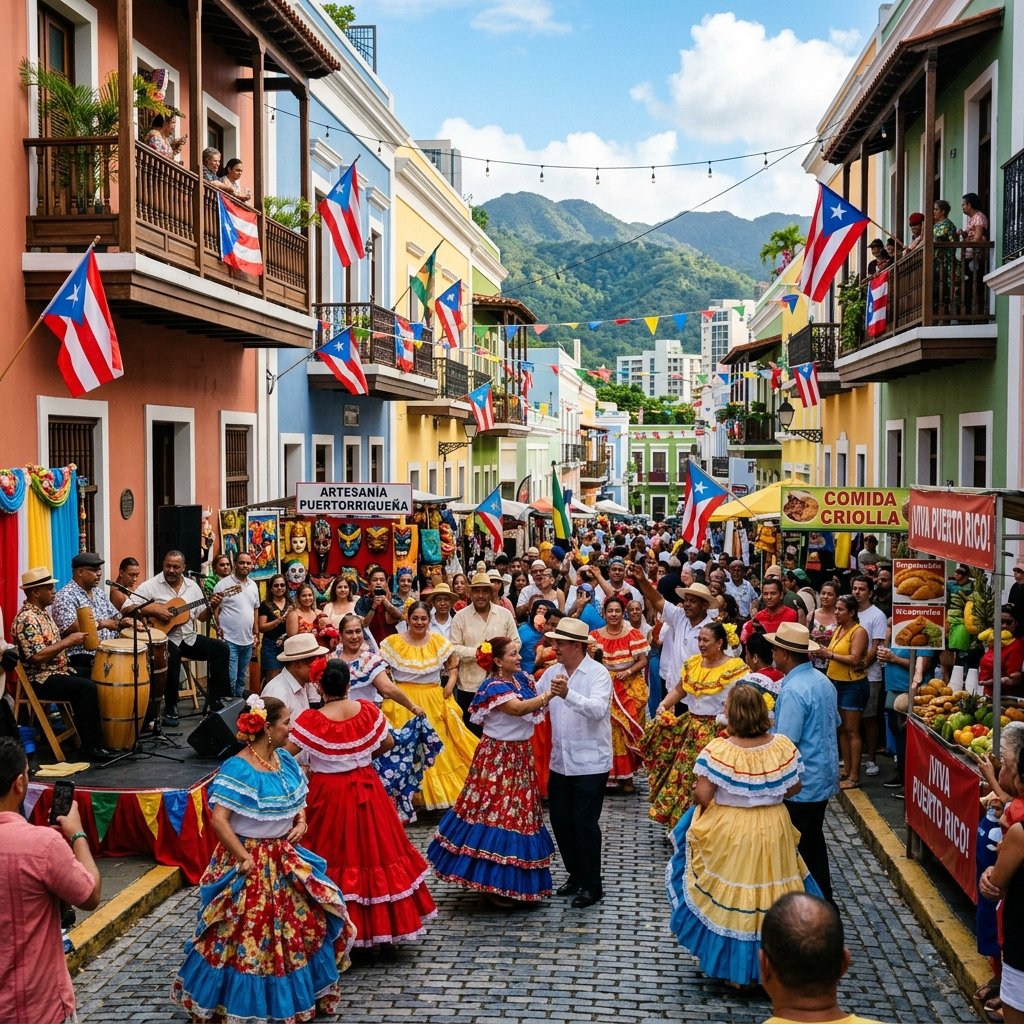

puerto rico news continues to navigate major political, economic, and environmental shifts. From ongoing statehood debates and federal aid discussions to a booming tourism sector and growing tech ecosystem, the island is at a pivotal crossroads. This post covers the key headlines shaping Puerto Rico today.
Puerto Rico rarely stands still. The island—a U.S. territory home to 3.2 million people—sits at the intersection of Caribbean culture, American politics, and global economic forces. On any given week, you’ll find headlines about federal aid negotiations, renewable energy milestones, entrepreneurial breakthroughs, and community-driven resilience.
Keeping up with Puerto Rico news isn’t just useful for residents. Investors, policymakers, diaspora communities, and global observers all have a stake in understanding what’s happening on the island. The decisions made in San Juan and Washington D.C. ripple outward, affecting everything from energy markets to cultural tourism.
This post brings together the latest updates across politics, economics, culture, the environment, sports, and technology—giving you a clear, comprehensive picture of where Puerto Rico stands today and where it’s heading.
What Are the Latest Political Developments in Puerto Rico?
Gubernatorial Actions and Legislative Updates
Puerto Rico’s executive and legislative branches remain active on multiple fronts. Governor Jennifer González-Colón, who previously served as Puerto Rico’s Resident Commissioner in Washington, has focused her administration on fiscal stabilization, infrastructure modernization, and attracting federal investment. Legislative sessions have addressed everything from housing reform to public pension adjustments as the island continues to operate under the oversight of the Financial Oversight and Management Board (PROMESA).
Where Does the Statehood Debate Stand?
Few issues generate more discussion in Puerto Rico than political status. The statehood question has been debated for decades, but recent plebiscites have produced increasingly clear signals. In the 2020 referendum, a slim majority of voters supported statehood. However, Congress has yet to act on this outcome, and the Puerto Rico Status Act—which would offer voters a binding choice between statehood, independence, and free association—continues to move through federal legislative channels.
The implications are significant. Statehood would bring full congressional representation and access to federal programs currently unavailable to Puerto Ricans. Independence or free association would reshape economic and diplomatic relationships. Public opinion on the island remains divided, particularly along generational and political party lines.
Federal Relations and Aid Packages
Puerto Rico’s relationship with the federal government remains a central issue. Following the catastrophic damage caused by Hurricane Maria in 2017, billions in federal disaster relief funds were allocated to the island—though disbursement has been slow and contested. More recently, infrastructure funding through the Infrastructure Investment and Jobs Act has directed resources toward roads, broadband, and water systems.
Federal aid oversight, managed partly through the PROMESA board, continues to shape the island’s fiscal decisions. Critics argue that federal control limits Puerto Rico’s autonomy; supporters contend it provides necessary guardrails during a period of debt restructuring.
What Economic Trends Are Shaping Puerto Rico in 2024?
Tourism Industry Revival and New Initiatives
Puerto Rico’s tourism sector has rebounded strongly since the pandemic. The island recorded record-breaking visitor numbers in recent years, driven by direct flight expansions from major U.S. cities, a thriving culinary scene, and renewed investment in luxury hospitality. Old San Juan, El Yanique National Forest, and the bioluminescent bays of Vieques and Fajardo remain major draws.
Puerto Rico Tourism Company initiatives have focused on extending the tourist season beyond winter months and attracting eco-tourism and adventure travel demographics.
Investment in Infrastructure and Renewable Energy
Infrastructure investment is accelerating across Puerto Rico. LUMA Energy, the private operator now managing electricity transmission and distribution, has faced significant public scrutiny over outages and billing—but continues to oversee a broad modernization effort. Meanwhile, the Puerto Rico Energy Bureau has set a mandate for 100% renewable energy by 2050, with interim targets pushing aggressive solar and battery storage deployment.
Several large-scale solar farms have come online across the island, and rooftop solar adoption among residents has surged, partly in response to grid instability following hurricanes.
Job Market Analysis and Entrepreneurial Growth
Puerto Rico’s unemployment rate has trended downward over the past few years, reaching levels not seen in decades. That said, labor force participation remains a challenge, with significant portions of the working-age population either emigrating to the U.S. mainland or remaining outside the formal economy.
On the entrepreneurial side, the island has seen notable growth in small business formation, particularly in food and beverage, creative industries, and tech. Organizations like Parallel18—a global startup accelerator based in San Juan—have helped position Puerto Rico as a launchpad for Latin American and Caribbean entrepreneurship.
Act 20 and Act 22 Incentives: What Are the Benefits and Controversies?
Puerto Rico’s tax incentive programs—now consolidated under Act 60—continue to attract high-net-worth individuals and businesses from the U.S. mainland. Formerly known as Act 20 (export services) and Act 22 (individual investors), these incentives offer dramatically reduced tax rates on capital gains and corporate income for qualifying residents and businesses.
Supporters argue the incentives drive investment and job creation. Critics counter that they contribute to gentrification, price long-term residents out of housing markets, and concentrate benefits among wealthy newcomers rather than local communities. This debate is ongoing and increasingly prominent in local political discourse.
What’s Happening in Puerto Rico’s Social and Cultural Scene?
Festivals, Events, and Cultural Celebrations
Puerto Rico’s cultural calendar is one of the richest in the Caribbean. The San Sebastián Street Festival in Old San Juan draws hundreds of thousands of visitors each January. Casals Festival, dedicated to classical music, continues to honor the legacy of cellist Pablo Casals. The Ponce Carnival, Loiza’s Festival of Santiago Apostol, and numerous municipal patron saint festivals keep traditions alive across the island.
These events are more than celebrations—they’re economic engines and expressions of a cultural identity that Puerto Ricans hold fiercely, both on the island and across the diaspora.
Developments in Education and Healthcare
Puerto Rico’s public education system has undergone significant restructuring, including school consolidations in response to population decline and hurricane damage. The University of Puerto Rico system, while facing budget pressures, remains a critical institution for higher education and research.
Healthcare access is an ongoing challenge. Puerto Rico receives Medicaid funding at lower per-capita rates than U.S. states, creating structural gaps in coverage. Efforts to equalize Medicaid funding through federal legislation have been a consistent advocacy priority for island lawmakers.
Arts, Entertainment, and Local Community Initiatives
Puerto Rico’s arts scene punches well above its weight. The island has produced globally recognized musicians, visual artists, and writers, and continues to foster new talent through community arts programs and cultural institutions like the Museum of Art of Puerto Rico. Bad Bunny, who hails from Vega Baja, has become one of the most streamed artists globally—putting Puerto Rican culture on the world stage in unprecedented ways.
How Is Puerto Rico Addressing Environmental and Climate Challenges?
Hurricane Preparedness and Recovery Efforts
Hurricane Maria remains a defining before-and-after moment for Puerto Rico. Recovery has been uneven—some communities rebuilt quickly with federal and nonprofit support, while others still bear visible scars years later. The island’s emergency management infrastructure has been strengthened, with improved early warning systems and community resilience programs.
Preparedness planning now factors in the increasing intensity of Atlantic hurricane seasons, consistent with broader climate projections.
Renewable Energy Projects and Sustainability Initiatives
Beyond the 100% renewable energy mandate, Puerto Rico has become a testing ground for community-scale microgrids and distributed energy systems. Following hurricane-related grid failures, microgrid projects—often backed by federal funding and nonprofit organizations—have brought solar and battery storage to schools, community centers, and rural municipalities.
Coastal Erosion and Climate Change Impact on Puerto Rico
Coastal erosion is accelerating across Puerto Rico’s shoreline, threatening communities, ecosystems, and tourism infrastructure. Rising sea levels, storm surge, and human development have combined to erode beaches at rates that concern environmental scientists. The Puerto Rico Department of Natural and Environmental Resources has been working alongside federal agencies and universities to develop coastal management strategies—though funding and enforcement remain ongoing challenges.
Puerto Rico Sports: Local Leagues and International Representation
Puerto Rico has a proud sports culture that extends well beyond its size. Baseball remains the dominant sport, with countless Puerto Ricans playing in Major League Baseball. Players like Roberto Clemente—whose humanitarian legacy is as celebrated as his athletic achievements—continue to inspire generations.
Puerto Rico competes as its own entity in international competitions, including the Olympics and World Baseball Classic, generating enormous national pride. The Puerto Rico national basketball team is consistently competitive at the international level. Locally, Liga de Bisabol Professional Roberto Clemente and Liga Superior de Balances draw passionate fan bases and serve as community gathering points across the island.
What’s Driving Technology and Innovation in Puerto Rico?
Tech Startups and Innovation Hubs
San Juan has quietly developed a startup ecosystem that rivals some larger metropolitan areas. In addition to Parallel18, organizations like the Puerto Rico Science, Technology, and Research Trust have invested in research commercialization and tech entrepreneurship. Remote work trends accelerated by the pandemic have also attracted tech professionals to the island, drawn by the climate, culture, and tax incentives.
Digital Infrastructure and Disaster Tech
Broadband expansion has been a federal priority for Puerto Rico, with significant funding directed toward connecting underserved communities. Digital infrastructure improvements serve dual purposes: supporting economic development and strengthening disaster response capabilities.
Technology played a key role in post-Maria recovery, from drone-based damage assessment to community communication platforms. This experience has informed how Puerto Rico approaches tech-driven emergency preparedness today.
What Do Puerto Ricans Think About the Issues Facing the Island?
Public sentiment in Puerto Rico is complex and multidimensional. Surveys consistently show deep concerns about the cost of living, energy reliability, and political status. According to polls conducted by major Puerto Rican media organizations, a majority of residents express frustration with the pace of infrastructure recovery and the perceived disconnect between government priorities and community needs.
At the same time, Puerto Ricans express significant pride in their cultural identity and resilience. Community voices—from neighborhood leaders in Loíza to entrepreneurs in Santurce—emphasize that the island’s challenges are real but not insurmountable. Local experts in fields from economics to environmental science continue to advocate for evidence-based policy approaches tailored to Puerto Rico’s unique circumstances.
Puerto Rico’s Path Forward: Resilience, Reform, and Opportunity
Puerto Rico’s story is one of persistent challenge met with persistent determination. The island continues to navigate a complex web of political uncertainty, fiscal recovery, climate vulnerability, and demographic change—all while maintaining a cultural vitality that few places in the world can match.
The road ahead involves hard decisions: on political status, on energy infrastructure, on tax policy, and on how to build an economy that works for longtime residents as much as it does for newcomers. None of these questions have easy answers, but Puerto Rico has never shied away from difficult conversations.
Stay informed. Follow trusted Puerto Rican news outlets like El Nuevo Día, Caribbean Business, and Centro de Periodic Investigative for on-the-ground reporting. Engage with diaspora organizations and policy advocates who track island developments closely. The more voices involved in shaping Puerto Rico’s future, the better that future is likely to be.
Frequently Asked Questions About Puerto Rico News
What are the most important political issues in Puerto Rico right now?
The most pressing political issues in Puerto Rico include the ongoing statehood debate, federal oversight through the PROMESA board, Medicaid funding equity, and disaster recovery aid disbursement. The Puerto Rico Status Act, which would allow for a binding vote on the island’s future political relationship with the U.S., remains a key piece of pending federal legislation.
How is Puerto Rico’s economy performing in 2024?
Puerto Rico’s economy has shown signs of recovery, with declining unemployment rates and growth in tourism and tech sectors. However, challenges remain, including high costs of living, population decline through emigration, and questions about the long-term impact of Act 60 tax incentives on local housing affordability.
Is Puerto Rico prepared for hurricanes after Maria?
Puerto Rico has improved its hurricane preparedness since Maria, with better emergency management systems and community resilience programs. However, the electricity grid remains a vulnerability. Ongoing investments in renewable energy microgrids and grid modernization are designed to reduce this risk over time.
What is Act 60 in Puerto Rico and who does it benefit?
Act 60 consolidates Puerto Rico’s earlier Act 20 and Act 22 tax incentive programs. It offers low tax rates on capital gains and corporate income to qualifying businesses and individual investors who relocate to Puerto Rico. Critics argue the program disproportionately benefits wealthy newcomers, while proponents say it drives investment and job creation on the island.
Why is Puerto Rico’s energy situation still unstable?
Puerto Rico’s energy grid was severely damaged by Hurricane Maria in 2017 and has faced ongoing issues under LUMA Energy’s management. Aging infrastructure, limited grid redundancy, and slow investment in modernization have contributed to persistent outages. The island’s shift toward renewable energy and distributed microgrids is intended to address these vulnerabilities long-term.
Where can I find reliable Puerto Rico news in English?
Caribbean Business, the Puerto Rico Report, and El Nuevo Día (which offers English content) are reputable sources for Puerto Rico news. For investigative journalism, Centro de Periodic Investigative publishes in both Spanish and English.