
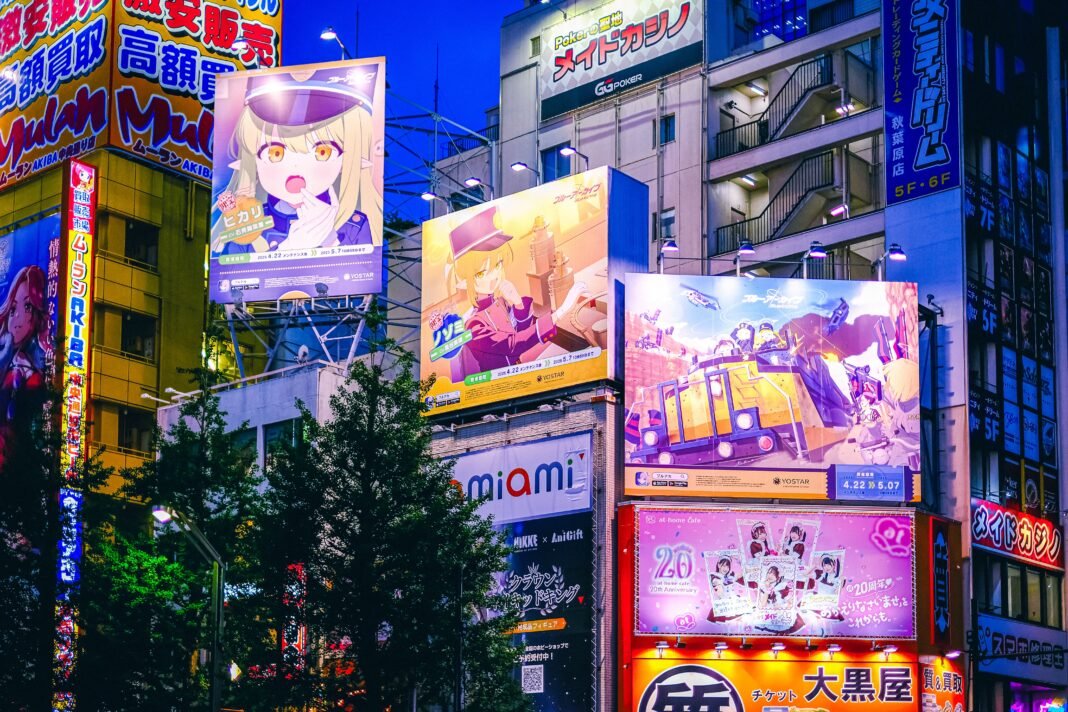

Aniwave was one of the most visited free anime streaming platforms, known for its vast library and clean interface. The site shut down in 2023 following mounting legal pressure from anime studios and copyright holders. Fans were left scrambling for alternatives, reigniting a broader debate about piracy, accessibility, and the future of anime streaming.
Few corners of the internet feel as tightly knit as the anime community. When a beloved platform disappears overnight, the shockwaves are immediate—and Aniwave’s shutdown was no exception. For millions of fans, it wasn’t just a website going offline. It was the loss of a daily ritual, a go-to destination for catching up on the latest episodes or rediscovering classic series.
Aniwave built its reputation on simplicity and scale. No convoluted sign-up process, no fragmented libraries across multiple subscriptions. Just anime—lots of it, available instantly. That combination proved enormously popular, particularly in regions where licensed streaming services either don’t operate or charge prices that are out of reach for many viewers.
But that same accessibility carried serious legal risks. And in 2023, those risks caught up with the platform. Copyright enforcement actions, studio pressure, and operational strain converged to bring Aniwave down—leaving a gap that no single alternative has yet fully filled.
This post breaks down everything that happened: what Aniwave was, why it shut down, how the community responded, and where anime fans can turn now. Whether you’re processing the loss or simply trying to understand the broader forces at play, here’s the full picture.
What Was Aniwave and Why Was It So Popular?
Aniwave operated as a free, ad-supported anime streaming site that hosted a wide catalog of both dubbed and subtitled content. Unlike some competitors that focused on niche genres or limited catalogs, Aniwave offered a broad selection spanning Shonen, shoji, izakaya, mocha, slice-of-life, and more.
The platform is widely believed to have originated in the early 2010s under different branding before evolving into the Aniwave name that became recognizable to millions. At its peak, it attracted tens of millions of monthly visitors from around the world—particularly from Southeast Asia, South America, and parts of Europe where licensed options were limited.
Several features drove its popularity:
- Extensive library: Thousands of titles ranging from long-running classics like Naruto and Dragon Ball Z to simulcast-style releases of newer series
- Dual audio support: Both subbed and dubbed versions were widely available
- Clean interface: Compared to many piracy-adjacent sites cluttered with aggressive ads, Aniwave offered a relatively streamlined user experience
- No mandatory registration: Viewers could watch without creating an account, lowering the barrier to entry significantly
For fans in underserved markets, Aniwave wasn’t a preference—it was often the only realistic option. That context matters when examining the reaction to its closure.
Why Did Aniwave Shut Down?
What legal pressures forced Aniwave to close?
Aniwave operated in legally precarious territory from day one. Hosting copyrighted anime content without licensing agreements from studios like Toei Animation, Bandai Namco, Ani plex, or their parent companies constitutes copyright infringement under intellectual property law in most jurisdictions.
For years, many free streaming platforms operated in a gray zone, relying on the slow pace of enforcement and the difficulty of international legal action. That dynamic shifted significantly in the early 2020s as Japanese studios, backed by organizations like the Content Overseas Distribution Association (CODA), began escalating anti-piracy efforts globally.
CODA, in coordination with Japanese law enforcement and international authorities, began systematically targeting high-traffic piracy platforms. These efforts included domain seizures, DMCA takedowns, hosting provider pressure, and in some cases, criminal referrals. Platforms that had operated for years without major disruption suddenly found themselves in legal crosshairs.
What was the timeline of events leading to Aniwave’s shutdown?
While the exact internal timeline isn’t fully public, what’s known is that by mid-2023, Aniwave was displaying notices acknowledging the pressures it faced. The site went offline in late 2023, with operators citing an inability to continue in the face of legal and financial obstacles. No formal legal proceeding was publicly announced in the way that accompanied, say, the shutdown of Kissane in 2020—but the pattern was consistent with broader enforcement trends.
KissAnime, once one of the largest anime piracy sites on the internet, shut down in August 2020 after receiving DMCA notices and following the same arc: rapid growth, massive traffic, increasing studio attention, and then sudden closure. Aniwave followed a remarkably similar trajectory.
What financial and operational challenges contributed to the closure?
Running a high-traffic video streaming platform—even one relying on user-side playback rather than direct hosting—is expensive. Server costs, CDN fees, and development resources add up quickly. Ad revenue from sites operating in legally ambiguous spaces is often unstable, as major advertising networks typically refuse to place ads alongside infringing content. This pushes such platforms toward lower-quality ad networks, sometimes involving intrusive or malicious ads that damage user trust.
When legal pressure accelerates, operational costs spike further. Domain migrations, legal consultations, and the constant game of whack-a-mole with takedowns drain resources. For Aniwave, the combination proved unsustainable.
How Did the Anime Community React to Aniwave’s Shutdown?
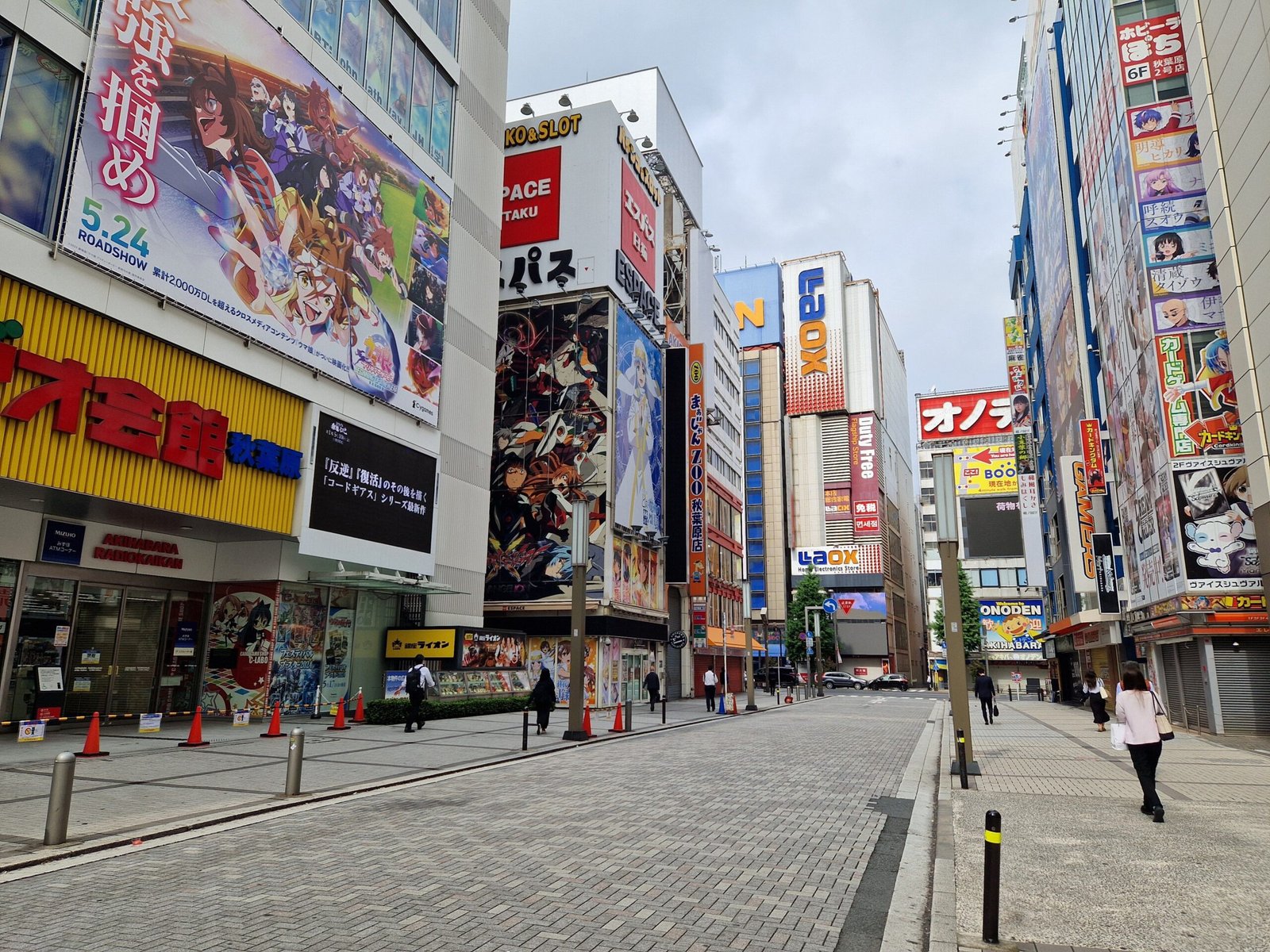
The response was swift and loud. Across Reddit, Twitter/X, Discord servers, and fan forums, Aniwave’s shutdown generated thousands of posts within hours. Many users expressed frustration not just at the loss of the platform itself, but at what they saw as a failure by the official industry to provide comparable alternatives.
A recurring theme in community discussions was accessibility. Fans in countries like the Philippines, Brazil, Indonesia, and India pointed out that platforms like Crunchyroll, Fumigation (now merged into Crunchyroll), and Netflix either didn’t carry the full catalog, charged fees that were prohibitive relative to local incomes, or weren’t available in their region at all.
Content creators—particularly anime YouTubers and podcast hosts—used the moment to examine the structural issues at play. Many acknowledged the illegality of platforms like Aniwave while simultaneously pushing studios and streaming services to do more to serve global audiences. The shutdown became a flashpoint for a conversation that had been building for years.
Legal and Industry Context: Why Do These Shutdowns Keep Happening?
How do anime licensing agreements affect free streaming platforms?
Anime licensing is a layered, region-specific process. A studio in Japan produces a series and then licenses distribution rights to different companies in different territories. Crunchyroll might hold North American rights to a title, while a separate service holds European rights, and another holds Southeast Asian rights. This fragmentation means no single platform has global coverage for all titles.
Free, unlicensed platforms sidestep this system entirely—which is exactly what makes them attractive to users and illegal under international copyright law. When Aniwave streamed a licensed title without authorization, it infringed on the rights of every licensee in every region, as well as the original studio’s rights.
How does copyright enforcement target streaming platforms?
Enforcement typically follows a sequence: studios or their representatives identify infringing platforms, issue DMCA takedown notices or equivalent regional notices, and escalate to hosting providers and domain registrars when those notices are ignored. Organizations like CODA and the Alliance for Creativity and Entertainment (ACE) coordinate these efforts at scale, often leading to domain seizures and the disabling of infrastructure.
Compared to shutdowns of the early 2010s, enforcement in the 2020s has become significantly more coordinated and effective. The closures of Kiss Anime (2020), 9anime’s various domains, and ultimately Aniwave reflect an industry that has gotten better at protecting intellectual property—even as the underlying accessibility problems that drive fans to piracy remain unresolved.
Legitimate Alternatives to Aniwave
What are the best legal anime streaming platforms available today?
Several licensed platforms now offer substantial anime libraries, with options across price points:
- Crunchyroll: The largest dedicated anime streaming platform in the world, with thousands of titles and simulcast access to new episodes shortly after their Japanese broadcast. Available in over 200 countries. Subscription-based with a limited free tier.
- Netflix: Carries a growing selection of anime, including exclusive productions and licensed titles. Availability varies by region.
- Hidive: A strong alternative for fans of older and more niche titles, often carrying series not available on Crunchyroll. Subscription-based.
- Tubi: A free, ad-supported platform (legal) with a rotating anime catalog. U.S.-focused but available in several other markets.
- Pluto TV: Another free, ad-supported option with dedicated anime channels.
- Amazon Prime Video: Holds licensing rights to select anime titles, including some exclusives through its “Anime Strike” era catalog.
For viewers in regions with limited access, VRV (which bundles Crunchyroll and Hidive) and regional platforms like iQIYI (popular in Southeast Asia) may offer better coverage.
Are there free legal options for watching anime?
Yes. Crunchyroll’s free tier allows ad-supported viewing of a portion of its library, though simulcast titles often require a paid subscription. Tubi and Pluto TV offer fully free, ad-supported viewing for a curated anime selection. Some studios also post content directly to YouTube—Toei Animation, for example, maintains official channels with full episodes of older titles like Dragon Ball and Sailor Moon.
What Does the Future of Anime Streaming Look Like?
How is the anime streaming industry evolving after platform shutdowns?
The shutdowns of major piracy platforms have accelerated a consolidation trend in licensed anime streaming. Crunchyroll’s acquisition by Sony and its subsequent merger with Funimation created the dominant force in the English-language anime market. This consolidation brings resources for licensing more titles but also raises concerns about monopolistic pricing and content exclusivity.
At the same time, studios are increasingly aware that availability gaps drive piracy. Efforts to release anime globally on the same day as Japanese broadcasts—often called “simulcast” distribution—have expanded significantly. Where fans once had to wait weeks or months for licensed releases, same-day access is now common for major titles.
Emerging challenges include the rising cost of anime production, pressure on streaming platforms to justify subscriber numbers, and the ongoing difficulty of pricing streaming access in developing markets. Some platforms are experimenting with tiered pricing by region—a move that, if expanded, could meaningfully reduce the accessibility argument for piracy.
The trajectory is clear: enforcement will continue to tighten, unlicensed platforms will face increasing pressure to shut down, and the licensed ecosystem will gradually—if imperfectly—expand to fill the gap.
Supporting Official Channels: What It Means for the Anime Industry
Aniwave’s shutdown is a chapter in a longer story about how creative industries adapt to the internet—and how fans, studios, and platforms negotiate the terms of access. The platform served a real need, particularly for viewers the official ecosystem had underserved for years. That’s worth acknowledging.
At the same time, the anime industry runs on revenue. Licensing fees, merchandise, home video sales, and streaming subscriptions fund the studios, animators, and voice actors who produce the content fans love. When that revenue is undermined at scale, the effects ripple back through the production pipeline.
The practical path forward is straightforward: use legal platforms where accessible and affordable, advocate loudly for better regional availability when official options fall short, and recognize that the long-term health of anime as a medium depends on a sustainable economic model.
Aniwave is gone. The conversation it sparked about access, equity, and the responsibilities of the anime industry is very much alive.
Frequently Asked Questions About Aniwave’s Shutdown
Why did Aniwave shut down?
Aniwave shut down in 2023 due to legal pressure from anime studios and copyright enforcement organizations. The platform hosted copyrighted anime without licensing agreements, making it vulnerable to DMCA actions, hosting provider pressure, and coordinated anti-piracy campaigns led by organizations like CODA.
Was Aniwave legal to use?
Aniwave operated without proper licensing, meaning it infringed on the copyright of anime studios and their regional licensees. While watching on the platform existed in a legal gray area for individual users in many jurisdictions, the platform itself was operating illegally.
What happened to Aniwave’s content after the shutdown?
Aniwave’s content was not transferred or preserved. The titles it hosted are available through their respective official licensees on platforms like Crunchyroll, Netflix, Hidive, and others, depending on regional availability.
What is the best legal alternative to Aniwave?
Crunchyroll is the most comprehensive legal alternative, offering thousands of titles with simulcast access in over 200 countries. For free options, Tubi and Crunchyroll’s limited free tier are the most accessible starting points.
Will another site replace Aniwave?
Copycat sites frequently emerge after major shutdowns, but they operate under the same legal risks and face the same enforcement pressures. Long-term, the licensed streaming ecosystem is the more reliable path for anime fans.
Why can’t I find certain anime on legal platforms?
Licensing fragmentation means some titles have expired licenses, unresolved rights disputes, or regional exclusivity arrangements that limit availability. This is one of the most common frustrations cited by fans who turned to platforms like Aniwave.