
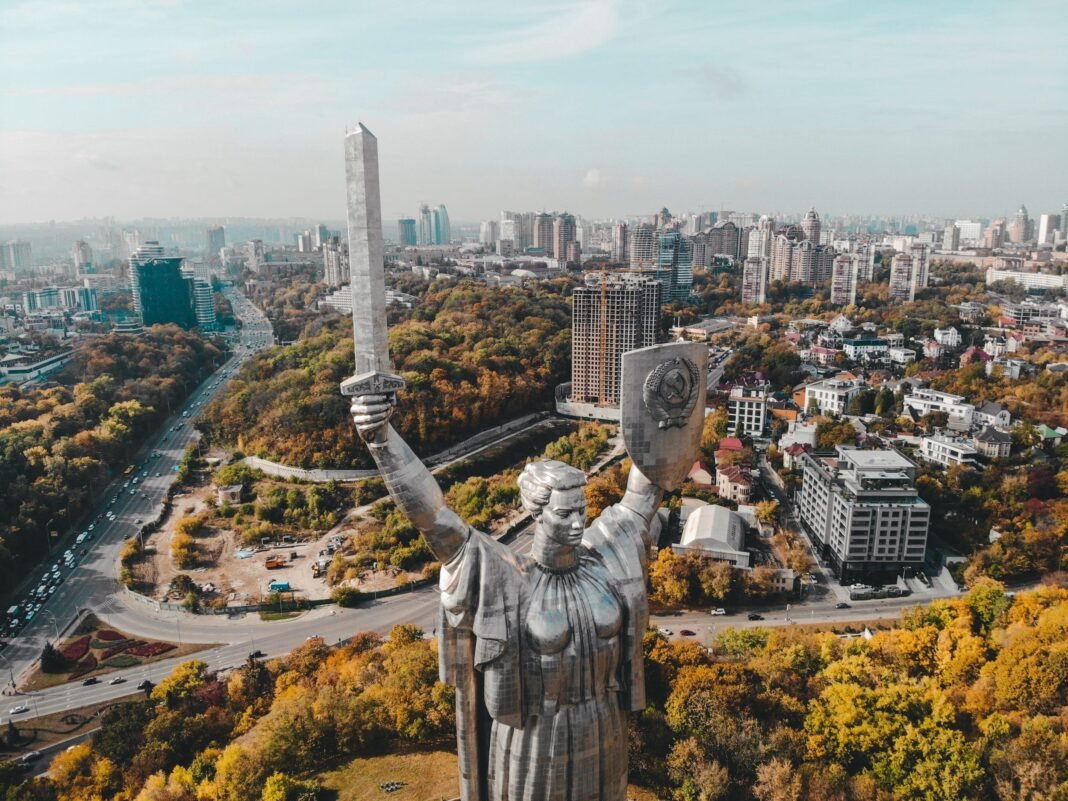

Kostiantynivka is a mid-sized industrial city in eastern Ukraine’s Donetsk Oblast, located approximately 50 kilometers northwest of Donetsk city. Since Russia’s full-scale invasion in February 2022, Kostiantynivka has become a critical frontline logistics and supply hub, subject to repeated shelling, significant civilian displacement, and growing international humanitarian attention.
Donetsk Oblast has been at the heart of Ukraine’s war with Russia since 2014. Yet within this embattled region, some cities attract more strategic attention than others. Kostiantynivka is one of them. Situated at a geographic crossroads, the city connects key Ukrainian-held towns, supports military logistics, and shelters a civilian population enduring one of the most sustained conflicts in modern European history.
This post provides a comprehensive overview of Kostiantynivka—its geographic and historical roots, its current role in the conflict, its economic foundations, and the humanitarian challenges its residents face every day. Whether you’re a journalist tracking the war, a policy researcher, or a global citizen trying to understand Ukraine’s east, this guide offers the context you need.
Where Is Kostiantynivka Located, and Why Does It Matter Geographically?
Kostiantynivka sits in central Donetsk Oblast, approximately 50 kilometers northwest of the city of Donetsk and roughly 30 kilometers south of Kramatorsk—the de facto administrative capital of Ukrainian-controlled Donetsk Oblast. This positioning is not incidental. The city occupies a strategic corridor between Kramatorsk and Bakhmut, two cities that have featured prominently in military reporting since 2022.
Road and rail networks passing through Kostiantynivka link Ukrainian-controlled territory in the north to frontline positions in the south and east. That makes it a critical node for supply chains, troop movements, and civilian evacuations alike. For Ukraine’s military, maintaining access to Kostiantynivka is operationally significant. For Russia, disrupting it is a stated objective.
The broader Donetsk Oblast region borders Russia’s Luhansk Oblast to the north, Zaporizhzhia Oblast to the southwest, and the Sea of Azov to the south—giving the entire region outsized geopolitical weight in the war’s trajectory.
What Is the Historical and Industrial Background of Kostiantynivka?
Founded in the late 19th century around the expansion of the Russian Empire’s railway network, Kostiantynivka grew rapidly during the Soviet industrialization era. The city became a center for glass manufacturing—a heritage it still carries today—along with chemical production, metallurgy, and machinery. Soviet-era factories defined its skyline and its economy for decades.
At its peak, Kostiantynivka had a population of over 100,000 residents. That figure declined steadily after the Soviet Union’s collapse in 1991, as industrial output fell and younger residents migrated to larger urban centers. By 2021, the city’s population was estimated at roughly 70,000—a figure that has since dropped substantially due to war-related displacement.
The city’s industrial heritage gave it both an economic identity and an infrastructural complexity. Legacy factories, rail depots, and utility networks built for a larger population now present both assets and vulnerabilities in a conflict environment.
What Is the Current Military Situation Around Kostiantynivka?
Since Russia launched its full-scale invasion of Ukraine on February 24, 2022, eastern Donetsk Oblast has been one of the war’s most active fronts. Kostiantynivka has not been spared. The city has experienced repeated artillery and missile strikes targeting its infrastructure, residential neighborhoods, and civilian gathering points.
One particularly deadly strike in September 2023 hit a market in Kostiantynivka, killing at least 16 civilians and wounding dozens more, according to Ukrainian officials. The attack drew significant international condemnation and renewed focus on civilian protection obligations under international humanitarian law.
Militarily, Kostiantynivka’s proximity to Bathmat—the site of one of the war’s bloodiest and most prolonged battles—has made it a rear logistics point for Ukrainian forces operating in the area. As frontlines have shifted, the city has moved closer to active combat zones, increasing both its strategic value and its vulnerability.
Ukrainian authorities have repeatedly urged civilian evacuation from the city, citing ongoing security risks. Despite this, a significant portion of the population has remained, either unwilling or unable to leave.
How Has the Conflict Affected Kostiantynivka’s Civilian Population?
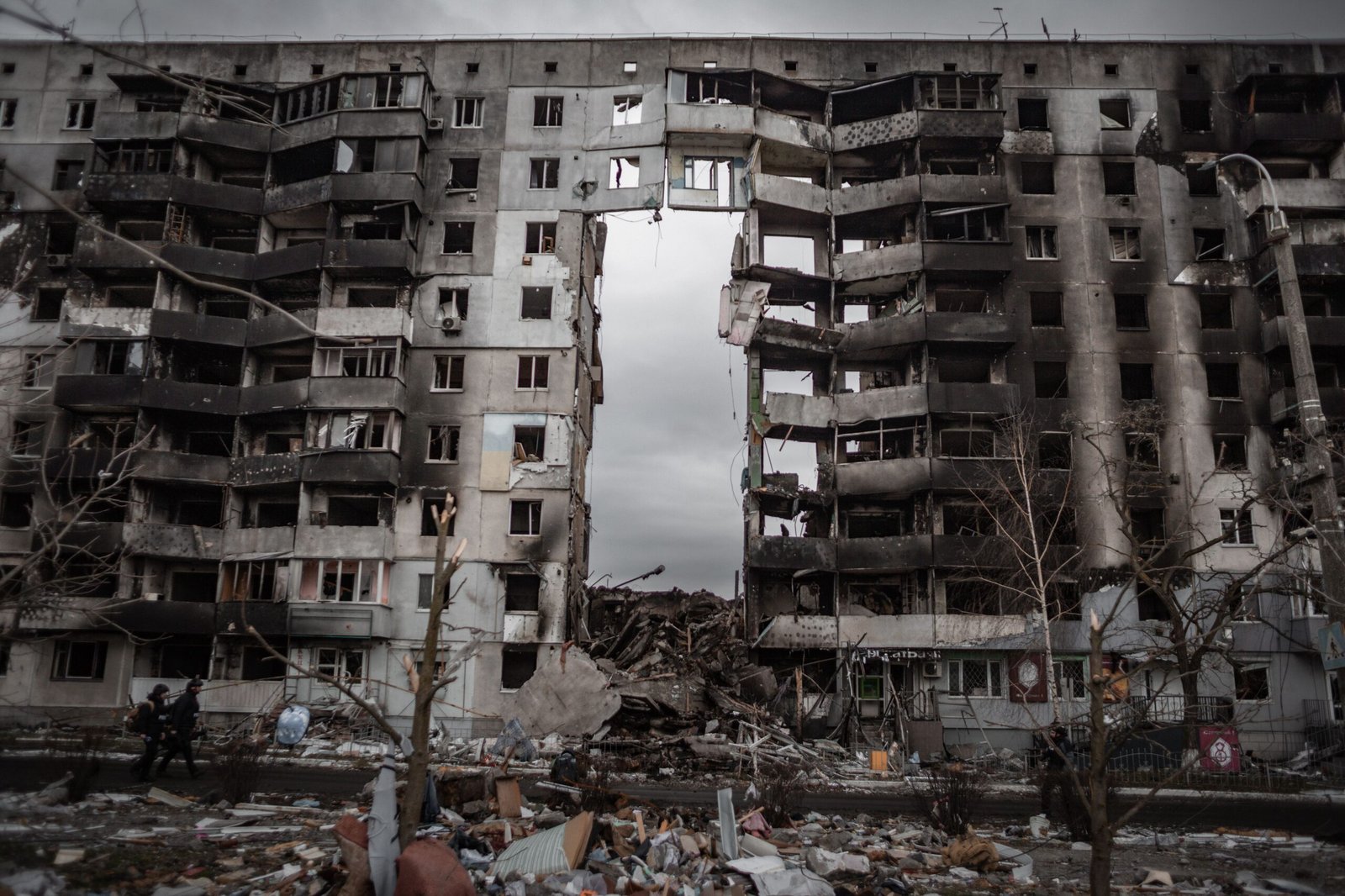
The humanitarian toll in Kostiantynivka reflects the broader tragedy unfolding across eastern Ukraine. Thousands of residents have been displaced—some internally within Ukraine, others abroad. Those who remain face daily risks from shelling, limited access to medical care, disrupted utility services, and psychological trauma from sustained exposure to conflict.
Access to electricity, water, and heating has been intermittent, particularly during winter months when Russian forces have systematically targeted Ukrainian energy infrastructure. Hospitals and medical facilities in the city have operated under severe strain, treating both civilian casualties and war-wounded while managing shortages of supplies and staff.
Schools have closed or shifted to remote and shelter-based formats. Children’s education has been severely disrupted—a long-term consequence that humanitarian organizations have flagged as a compounding crisis within the conflict.
What Economic Activities Define Kostiantynivka, and What Is Its Pre-Conflict Economic Profile?
Before 2022, Kostiantynivka’s economy revolved around its industrial base. The city was home to the Kostiantynivka Glass Factory, one of the largest in eastern Europe, along with chemical plants and metalworking enterprises that employed a significant share of the local workforce.
Regional trade depended on the city’s rail connections, which linked industrial producers to markets across Ukraine and beyond. Local commerce—retail, services, agriculture from surrounding villages—supplemented the industrial economy and supported a relatively stable, if modest, standard of living.
The conflict has decimated this economic foundation. Industrial facilities have sustained damage, supply chains have been severed, and the consumer base has shrunk dramatically as residents flee. Recovery, when it comes, will require not just physical reconstruction but the revival of economic institutions and trade networks that have been eroding since 2014.
Ukraine’s State Statistics Service and international development organizations including the World Bank have flagged Donetsk Oblast as one of the regions requiring the largest reconstruction investment once hostilities cease.
What Humanitarian Aid Is Reaching Kostiantynivka’s Residents?
Several international and domestic humanitarian organizations have maintained operations in and around Kostiantynivka despite the security risks. The United Nations Office for the Coordination of Humanitarian Affairs (OCHA) has documented humanitarian needs across Donetsk Oblast, with Kostiantynivka identified among the priority areas.
Organizations including the International Committee of the Red Cross (ICRC), Médecins Sans Frontières (Doctors Without Borders), and various Ukrainian civil society groups have delivered food, medical supplies, and psychological support to residents. Cash assistance programs have helped those without income maintain access to essential goods.
Evacuation corridors, when operational, have been coordinated with Ukrainian authorities to move vulnerable residents—including the elderly, people with disabilities, and families with young children—to safer areas. The logistics of these operations are complex, given ongoing shelling and the reluctance of some residents to leave their homes.
The humanitarian situation in Kostiantynivka is not static. Access and conditions change frequently depending on frontline activity, and aid organizations regularly reassess their operations to balance impact with staff safety.
What Are the Prospects for Kostiantynivka’s Reconstruction and Long-Term Recovery?
Reconstruction planning for Ukrainian cities like Kostiantynivka is already underway at the policy level, even as the conflict continues. Ukraine’s government, in partnership with the European Union, the United States, and multilateral development banks, has developed preliminary frameworks for post-war rebuilding—including damage assessments, financing mechanisms, and governance structures.
The Lugano Declaration of July 2022 established international principles for Ukraine’s recovery, emphasizing transparency, accountability, and community participation. Subsequent conferences in London and Berlin have maintained political momentum, with pledges of financial and technical support from dozens of countries.
For Kostiantynivka specifically, reconstruction priorities would likely include restoring housing stock, repairing or replacing damaged infrastructure, reviving industrial capacity where viable, and supporting the return of displaced residents. The timeline for this process depends entirely on when and how the conflict ends—and on the security conditions that follow.
Long-term, Kostiantynivka’s strategic location gives it genuine recovery potential. Its rail connectivity, existing industrial base (however damaged), and proximity to other Donetsk Oblast cities could position it as a hub in any regional rebuilding effort. But that potential is contingent on durable security guarantees that do not yet exist.
Kostiantynivka and the Broader Stakes of Ukraine’s East
Kostiantynivka is, in many ways, a microcosm of the larger war. A city with a proud industrial past, a population that has weathered decades of post-Soviet decline, now caught at the epicenter of a conflict reshaping European security. Its residents—those who remain and those who fled—carry the weight of that history.
Monitoring developments in Kostiantynivka matters because the city reflects broader dynamics: the pace of frontline movement, the resilience of Ukrainian civilian infrastructure, the capacity of humanitarian systems to function under pressure, and the international community’s commitment to supporting Ukraine’s people through an extraordinarily difficult period.
For further research, the following resources provide regularly updated information:
- OCHA Ukraine: reliefweb.int — humanitarian situation reports and needs assessments
- Institute for the Study of War (ISW): understandingwar.org — daily conflict updates and frontline maps
- Ukraine’s Ministry of Reintegration: official updates on displaced populations and humanitarian corridors
- The Kyiv Independent: English-language journalism covering the conflict with on-the-ground reporting
The story of Kostiantynivka is still being written. Staying informed is one of the most meaningful ways the global community can remain engaged with what is happening there.
Frequently Asked Questions About Kostiantynivka
Where exactly is Kostiantynivka in Ukraine?
Kostiantynivka is located in central Donetsk Oblast in eastern Ukraine, approximately 50 kilometers northwest of the city of Donetsk and 30 kilometers south of Kramatorsk. The city sits along key road and rail corridors connecting Ukrainian-controlled territory to frontline zones.
Is Kostiantynivka under Ukrainian or Russian control?
As of the most recent available reporting, Kostiantynivka remains under Ukrainian control. However, the city is within range of Russian artillery and has been subject to repeated strikes. The situation on the ground can change; consult real-time sources like the Institute for the Study of War for the latest frontline maps.
What happened in the Kostiantynivka market strike of 2023?
In September 2023, a missile or artillery strike hit a crowded market in Kostiantynivka, killing at least 16 civilians and wounding dozens more, according to Ukrainian officials. The strike drew international condemnation and highlighted the ongoing risks to civilians remaining in the city.
How many people still live in Kostiantynivka?
Exact current population figures are difficult to verify given ongoing displacement. Before the full-scale invasion, the city had an estimated population of around 70,000. Significant numbers have fled since 2022, though many residents—particularly elderly individuals—have chosen or been unable to leave.
What international organizations are providing aid in Kostiantynivka?
Organizations including the International Committee of the Red Cross (ICRC), Médecins Sans Frontières, OCHA, and various Ukrainian civil society groups have operated in or around the city. Aid delivery is subject to security conditions and changes frequently.
What was Kostiantynivka’s economy based on before the war?
The city’s economy centered on glass manufacturing, chemical production, and metallurgy—industries developed during the Soviet era. Its rail network also made it a regional trade hub. The conflict has severely damaged this economic base, and full recovery will require sustained reconstruction investment.