
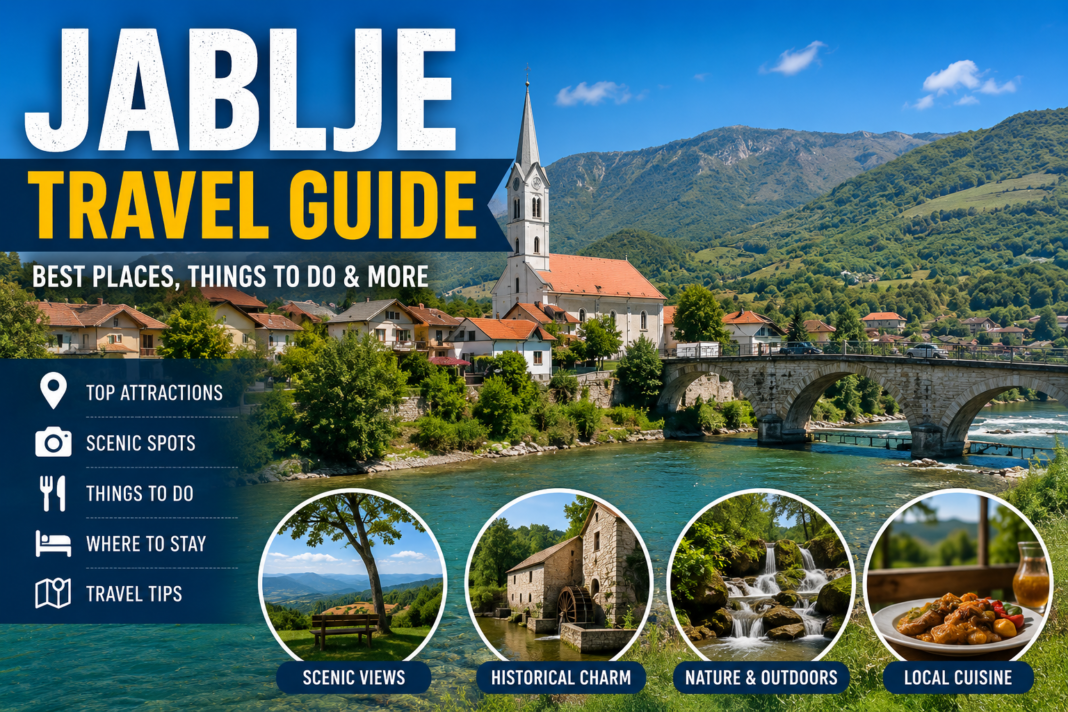

Jablje is a charming Slovenian village located near Mengeš in the Kamnik–Savinja Alps foothills region. Known for its peaceful countryside, historic landmarks, and easy access to outdoor activities, Jablje offers travelers an authentic Slovenian experience away from the crowds. This guide covers transportation, top attractions, dining, accommodation, and practical tips.
Slovenia has a way of surprising people. Most travelers head straight for Ljubljana, Bled, or the Soča Valley—and for good reason. But tucked away in the Central Slovenian region, the village of Jablje offers something those more popular destinations can’t always deliver: genuine tranquility, unhurried local life, and the kind of scenery that doesn’t require a queue to enjoy.
Jablje sits near the town of Mengeš, framed by the gentle foothills that stretch toward the Kamnik–Savinja Alps. It’s the sort of place where mornings feel slower, the air smells cleaner, and the landscape changes subtly with every season. Whether you’re a seasoned traveler seeking off-the-beaten-path experiences in Slovenia or simply looking for a peaceful escape from urban life, Jablje has a quiet appeal that lingers long after you’ve left.
This guide covers everything you need to plan a visit to Jablje—from how to get there and where to sleep, to local food, cultural customs, and the best day trips nearby.
Getting to Jablje and Getting Around
What are the best transportation options to reach Jablje?
Jablje is most easily reached by car. The village lies approximately 20 kilometers northeast of Ljubljana, making it a straightforward drive along the A1/E57 motorway toward Domžale and Mengeš. The journey from Ljubljana takes roughly 25 to 30 minutes under normal traffic conditions.
For travelers without a car, local bus services connect Mengeš to Ljubljana, with Jablje accessible from there by taxi or rideshare. The nearest train station is in Mengeš, which sits on the Ljubljana–Kamnik rail line—a scenic and affordable option worth considering if you’re traveling from the capital.
Renting a car is strongly recommended if you plan to explore the surrounding villages and countryside. Public transportation in rural Central Slovenia is functional but infrequent, and having your own vehicle opens up far more flexibility.
When is the best time to visit Jablje?
Spring (April to June) and early autumn (September to October) offer the most pleasant conditions. Temperatures during these months typically range between 15°C and 25°C (59°F to 77°F), with lower humidity and vibrant natural scenery. Spring brings wildflowers and lush green fields; autumn paints the surrounding hills in warm amber and gold.
Summer months are warm and lively, though July and August attract more visitors to the wider Slovenia region. Winter in Jablje is quiet and cold, with temperatures frequently dropping below freezing—but the snow-dusted landscape has a charm of its own for those who appreciate off-season travel.
How do you get around Jablje once you’re there?
The village itself is compact and walkable. Most local points of interest can be reached on foot or by bicycle. Cycling is particularly popular among visitors in warmer months, with flat and gently rolling roads connecting Jablje to neighboring villages. Car remains the most practical option for reaching attractions beyond the immediate area.
Top Attractions in Jablje
What are the best historical and cultural sites in Jablje?
The Jablje Castle (Grad Jablje) is the village’s most notable landmark. Dating back several centuries, the castle has served various purposes throughout its history, including as a residential estate and cultural venue. Its architecture reflects Central European manor house influences, and the surrounding grounds provide a picturesque setting for photography and leisurely walks.
The local church, a modest but well-preserved structure typical of rural Slovenian villages, adds to the area’s cultural character. It’s worth spending time walking through the village center to appreciate the traditional Slovenian rural architecture that has remained largely intact.
What outdoor activities and natural attractions does Jablje offer?
The foothills surrounding Jablje provide accessible hiking and walking trails with views toward the Kamnik Alps. The landscape here is gentle enough for casual walkers but rewarding enough for those who enjoy being outdoors. Cycling trails connect the village to Mengeš, Domžale, and other nearby settlements.
The wider region is also excellent for birdwatching, particularly in spring when migratory species pass through the Central Slovenian lowlands. The patchwork of farmland, hedgerows, and small woodlands creates varied habitat that supports diverse wildlife.
Where are the best viewpoints and photo opportunities near Jablje?
The elevated terrain to the north of the village offers clear sightlines toward the Kamnik–Savinja Alps on clear days. Early morning light is particularly striking here, with mist often settling over the fields below before burning off mid-morning. The castle grounds and the approach roads into the village also provide strong compositional options for landscape and travel photography.
Where to Stay in Jablje
What accommodation options are available in Jablje?
Jablje itself is a small village, so accommodation options within the village are limited. Most visitors choose to stay in nearby Mengeš or the town of Domžale, both of which offer a wider selection of guesthouses, small hotels, and apartments.
For a more immersive rural experience, agritourism farmhouses (known locally as turistične kmetije) in the surrounding countryside offer bed and breakfast-style stays with home-cooked meals. These properties provide a genuine sense of Slovenian rural hospitality that larger hotels simply can’t replicate.
Budget-conscious travelers will find that Ljubljana—just 20 to 30 minutes away—offers the widest range of accommodation at various price points, making it a practical base for day trips to Jablje.
What tips should travelers follow when booking accommodation near Jablje?
Book agritourism farmhouses well in advance if visiting between May and September, as they have limited capacity and fill quickly. Review platforms such as Booking.com and Airbnb list several rural stays in the Mengeš and Domžale area. Communicating directly with hosts often yields better rates and more personalized local advice.
Dining and Local Cuisine Near Jablje
What local Slovenian dishes should you try near Jablje?
Central Slovenia’s food culture is hearty, seasonal, and deeply rooted in agricultural tradition. Key dishes to seek out include:
- Žlikrofi: Slovenian dumplings, often filled with potato, onion, and herbs—comparable to ravioli and considered one of Slovenia’s most iconic dishes.
- Kranjska klobasa: A protected-designation smoked sausage served with mustard and bread, widely available at local establishments.
- Potica: A traditional rolled pastry with walnut filling, particularly common around holidays but available year-round in bakeries and farmhouse kitchens.
- Jota: A hearty stew of beans, sauerkraut, and cured pork—ideal for cooler months.
Where are the best restaurants and dining options near Jablje?
Mengeš and Domžale both offer a selection of local restaurants (known as gostilnas) serving traditional Slovenian food at reasonable prices. Gostilnas typically provide generous portions, local wine, and a relaxed atmosphere that reflects everyday Slovenian culture far better than tourist-facing restaurants in the capital.
For casual dining and quick bites, local bakeries and delis stock fresh bread, pastries, and prepared foods at very low cost. Markets in Domžale carry local produce, cured meats, and dairy products that make for excellent self-catered meals.
Shopping and Local Markets Near Jablje
Where can you shop and find unique souvenirs near Jablje?
The weekend market in Domžale and the regular market in Mengeš are the best local options for fresh produce, regional honey, handmade preserves, and small artisan goods. These markets reflect everyday Slovenian life rather than tourist commerce, which makes them more authentic—and often more affordable.
For crafts and souvenirs, look for locally produced honey products, hand-painted wooden goods, and lace items, all of which have strong roots in Slovenian craft tradition. Ljubljana’s central market, roughly 20 minutes away, offers a broader selection if you’re looking for gift items to take home.
Day Trips and Nearby Attractions from Jablje
What day trips are worth taking from Jablje?
Jablje’s central location makes it an excellent base for exploring the broader Central Slovenia and Upper Carniola regions.
- Kamnik (approximately 15 km north): A medieval town with a well-preserved old quarter, two castles, and a strong artisan tradition. The walk between Mali Grad and Stari Grad offers excellent views and historical context.
- Ljubljana (approximately 20 km southwest): Slovenia’s capital city offers world-class museums, a walkable old town, and a vibrant café culture. The Ljubljana Castle and Metelkova cultural center are highlights.
- Lake Bled (approximately 50 km northwest): One of Central Europe’s most photographed destinations, featuring a glacial lake, an island church, and a clifftop castle. Reachable in under an hour by car.
- Velika Planina (approximately 30 km northeast): A high-altitude Alpine plateau with traditional herdsmen’s settlements, excellent hiking trails, and panoramic mountain views. Accessible by cable car from Kamnik.
Are there hidden gems within driving distance of Jablje?
The village of Šmartno v Tuhinju, tucked into the Tuhinjska valley north of Kamnik, offers peaceful scenery and traditional rural architecture with almost no tourist foot traffic. Snežnik Castle and the Logarska Dolina glacial valley are further afield but well worth the drive for visitors with extra time.
Practical Travel Tips for Visiting Jablje
What should travelers know about safety, health, and general practicality?
Slovenia consistently ranks as one of Europe’s safest countries. Petty crime is rare, tap water is safe to drink throughout the country, and healthcare standards are high. EU citizens benefit from reciprocal healthcare coverage; non-EU travelers should carry appropriate travel insurance.
What currency and payment methods are used in Slovenia?
Slovenia uses the euro (€). Cards are widely accepted in urban areas, but smaller rural establishments and farmhouses often prefer—or exclusively accept—cash. Carrying a modest amount of cash is advisable when visiting villages and rural markets.
What cultural etiquette and customs should visitors respect in Jablje?
Slovenians tend to be reserved but genuinely warm once acquainted. Greet locals with a simple Dober dan (good day) and express thanks with Hvala (thank you)—small gestures that are consistently appreciated. Punctuality is valued in social and business settings. Dress modestly when visiting churches, and ask permission before photographing private properties or individuals.
What basic Slovenian phrases are helpful for travelers?
|
Phrase |
Slovenian |
|---|---|
|
Hello |
Zdravo |
|
Good day |
Dober dan |
|
Thank you |
Hvala |
|
Please |
Prosim |
|
Do you speak English? |
Ali govorite angleško? |
|
Where is…? |
Kje je…? |
|
How much? |
Koliko stane? |
English proficiency is high among younger Slovenians and those working in tourism. In rural areas, German is often understood among older residents.
Why Jablje Belongs on Your Slovenia Itinerary
Jablje won’t compete with Lake Bled for Instagram exposure or Ljubljana for nightlife. That’s exactly the point. The village offers something increasingly rare in European travel: stillness, authenticity, and a pace of life that actually allows you to absorb where you are.
The combination of accessible outdoor activities, rich local food culture, a genuinely historic landmark in Jablje Castle, and proximity to some of Central Europe’s finest day-trip destinations makes the area more versatile than its small footprint might suggest. A long weekend here, ideally paired with a base in Mengeš or a nearby agritourism farmhouse, provides a rounded experience of rural Slovenian life.
Start with a morning walk to the castle grounds. Follow it with lunch at a local gostilna. End with a drive toward Kamnik as the light drops over the Alps. Repeat as needed.
Frequently Asked Questions About Visiting Jablje
Is Jablje worth visiting as a tourist destination?
Yes—particularly for travelers who value peaceful, off-the-beaten-path destinations over high-footfall tourist sites. Jablje offers historical character, natural scenery, and easy access to major Slovenian attractions, making it suitable as either a day trip from Ljubljana or a short stay base.
How far is Jablje from Ljubljana?
Jablje is approximately 20 kilometers northeast of Ljubljana. The drive takes around 25 to 30 minutes via the A1/E57 motorway, depending on traffic conditions.
What is the best time of year to visit Jablje?
Spring (April to June) and early autumn (September to October) offer the most comfortable temperatures and attractive scenery. Summer is warm and pleasant; winter is cold but scenic for those who enjoy quiet, off-season travel.
Do I need a car to visit Jablje?
A car significantly improves your experience, particularly for exploring nearby villages, day trips to the Alps, and visiting rural accommodations. Limited bus services connect the wider Mengeš area to Ljubljana, but a car is the most practical option for independent exploration.
What language is spoken in Jablje?
Slovenian is the official language. English is widely spoken among younger residents and those working in tourism. In rural areas, some older residents speak German. Learning a few basic Slovenian phrases is welcomed by locals and adds to the experience.
Is Jablje suitable for families with children?
Yes. The flat surrounding countryside is well-suited for cycling and gentle walks, the area is very safe, and day trips to Kamnik, Lake Bled, and Velika Planina offer activities for all ages. Agritourism farmhouse stays with animals are particularly popular with younger children.